
++Do LIKE @ SHARE ARTICLE++

Wednesday, January 24, 2024

Methods to reduce noise in communication system


Several techniques can be employed to reduce noise in a telecommunication system:

  1. Error-Correcting Codes: Introduce redundancy to transmitted data, allowing the receiver to detect and correct errors. This helps mitigate the impact of noise-induced errors.

  2. Shielding: Use shielding materials and techniques to protect signal-carrying components from external electromagnetic interference, reducing the impact of noise.

  3. Filtering: Employ filters to selectively allow certain frequencies to pass while attenuating others. This can help in reducing unwanted noise that may be present in the signal.

  4. Equalization: Adjust signal characteristics to counteract distortion caused by transmission mediums. This helps in compensating for frequency-dependent attenuation and improves overall signal quality.

  5. Signal Processing Techniques: Use advanced signal processing algorithms to extract the desired signal and suppress or filter out unwanted noise.

  6. Low-Noise Amplifiers (LNAs): Utilize amplifiers with low noise figures to minimize the contribution of amplification-induced noise in the system.

  7. Frequency Hopping: Spread the transmitted signal across different frequencies over time. This technique can help avoid interference from noise at specific frequencies.

  8. Dynamic Range Compression: Adjust the dynamic range of the signal to minimize the impact of variations in signal strength, reducing the influence of noise.

  9. Multiple Antennas: Use multiple antennas and employ diversity techniques to improve signal reception and mitigate the effects of noise, especially in wireless communication.

  10. Optical Fiber Communication: Opt for optical fiber communication, which is less susceptible to electromagnetic interference and offers higher immunity to noise compared to traditional copper-based transmission.

> By combining these techniques appropriately, telecommunication systems can be designed to effectively reduce the impact of noise, ensuring clearer and more reliable communication.

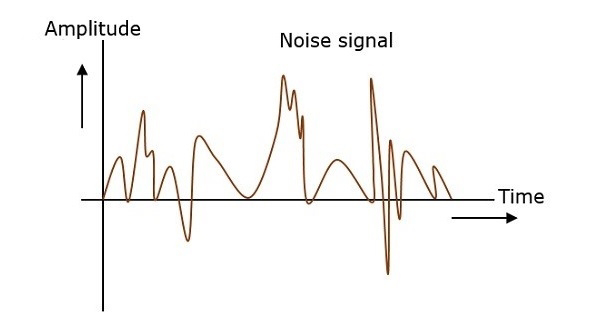
Noise in Telecommunication System

Noise in a telecommunication system refers to unwanted or random disturbances that can interfere with the transmission and reception of signals, degrading the quality of communication. It can manifest as electrical, thermal, or atmospheric interference.

Definition: Noise is any unwanted signal that distorts or interferes with the original message being transmitted.

Effects: Noise can lead to errors, loss of information, and reduced signal quality. It impacts the clarity and reliability of communication.

Related Formulations:

  1. Signal-to-Noise Ratio (SNR): It quantifies the ratio of the strength of the signal to the strength of background noise. Higher SNR indicates better signal quality.

  2. Bit Error Rate (BER): It measures the number of bits received in error compared to the total number of bits transmitted. Lower BER is desirable.

Noise in Telecommunication Devices:

  1. Amplifiers: Electronic components that amplify signals can introduce noise during the amplification process.

  2. Channel Noise: Transmission mediums, such as cables or wireless channels, can introduce noise.

  3. Receivers: Electronic devices receiving signals can be susceptible to internal and external noise.

Other Related Info:

  1. Types of Noise:

    • Thermal Noise: Arises due to random motion of electrons in conductors.
    • Intermodulation Noise: Results from the interaction of signals in non-linear components.
    • Crosstalk: Signal coupling between adjacent communication channels.
  2. Mitigation Techniques:

    • Error-Correcting Codes: Introduce redundancy to detect and correct errors.
    • Shielding: Protects against external interference.
    • Equalization: Adjusts signal characteristics to counteract distortion.

Understanding and managing noise is crucial in designing robust telecommunication systems to ensure reliable and clear communication.